MyPillow keeps showing up in headlines — evictions, lawsuits, retailers walking away, and its founder telling a judge he’s financially ruined. That’s a lot of bad news in a short period. But headlines about business trouble are not the same as a confirmed shutdown.
This article breaks down what is actually happening with MyPillow, what the evidence does and does not prove, and how to tell the difference between a company under serious stress and one that has officially closed.
What MyPillow Is and Why It Keeps Making News
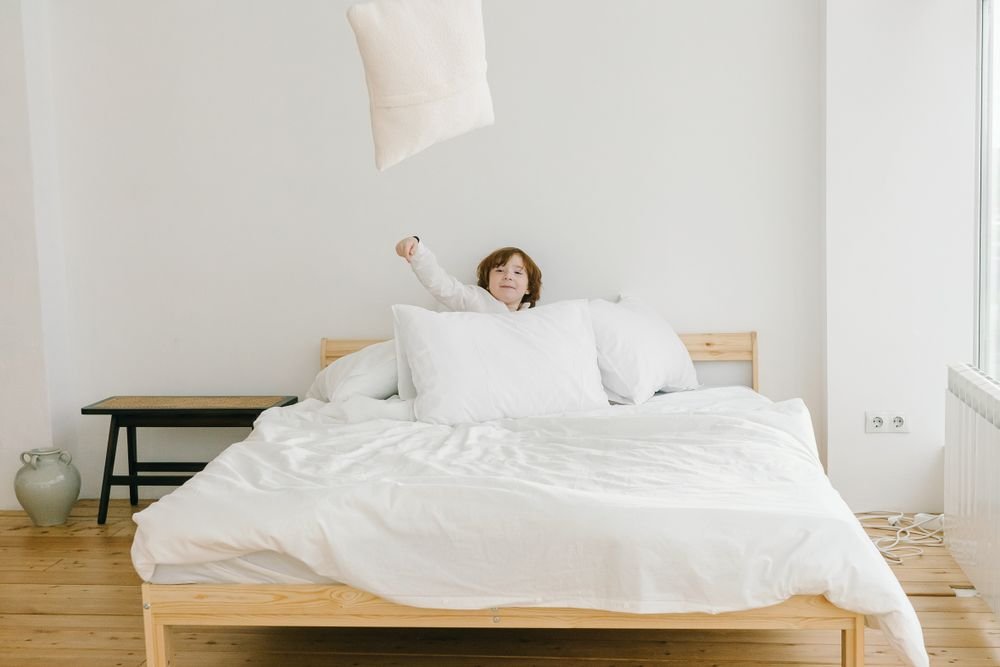
MyPillow is a real, operating consumer-products company. Mike Lindell founded it in 2009, and it’s headquartered in Chaska, Minnesota. The company sells pillows, bedding, and related home products. At its peak, its products were available through major national retailers across the country.
The reason it keeps making news has less to do with pillows and more to do with Lindell himself. His public involvement in election-denial claims after the 2020 presidential election triggered a wave of litigation, retailer reactions, and ongoing legal proceedings that have followed the company ever since.
That context matters. A lot of the “going out of business” talk is driven by controversy, not just business fundamentals. To understand what’s really going on, you need to separate the two.
The Specific Problems MyPillow Is Facing Right Now
There are real, documented problems here. They’re worth taking seriously.
A judge ruled in favor of evicting MyPillow from a warehouse in Shakopee, Minnesota. The landlord alleged the company was at least $200,000 behind on rent. That’s a significant amount, and it points to either a cash-flow problem or a deliberate decision to stop paying — neither of which is a good sign.
The company has also put its Chaska headquarters on the market. That suggests the business is trying to reduce its physical footprint and cut overhead. Whether that’s a smart survival move or a sign of deeper trouble depends on what comes next.
On top of that, Mike Lindell told a judge in separate proceedings that he is in financial ruin. His personal financial situation and the company’s are not the same thing, but they’re connected enough to matter. And as of early 2026, MyPillow is still named in litigation tied to Lindell’s election-denialism probe, according to MPR News.
Each of these issues is documented. But they are separate events — not a single announced closure. That distinction is important.
Why Major Retailers Stopped Carrying MyPillow Products
One of the most visible signs of MyPillow’s decline is what happened with its retail distribution. Bed Bath & Beyond and other major retailers dropped or significantly reduced MyPillow products. The reasons cited were a mix of poor sales performance and the controversy surrounding Lindell.
Losing national retail shelf space is a serious blow for any consumer-products company. Retail distribution is not just about revenue — it’s also about brand visibility. When customers don’t see your product in stores, they often assume it no longer exists.
But losing retailers doesn’t automatically shut a company down. Many brands have survived the loss of big-box distribution by shifting to direct-to-consumer sales — their own website, TV spots, email lists, and smaller retail partners. MyPillow has leaned on this approach, selling directly through its own platform rather than relying on third-party retailers.
That model limits scale. It’s harder to grow without major retail partners. But it also reduces the damage when any one retailer walks away. The company still has a channel to sell through.
The Difference Between Distress, Downsizing, and Actually Closing
This is where a lot of people — and a lot of headlines — get confused.
“Going out of business” has a specific meaning. It means a company stops all operations, liquidates its assets, and ceases to exist. That usually happens through a formal bankruptcy liquidation (Chapter 7 in the U.S.) or an official closure announcement from the company itself.
Selling a building, losing a warehouse lease, or cutting overhead are signs of financial pressure. They can be serious. But they are restructuring moves — not proof of shutdown.
Think about a retail business that closes one location, sells its office building, and moves into a smaller space to cut costs. That company still exists. It’s operating from a reduced footprint, but it hasn’t closed. The same logic applies here.
A simpler analogy: if someone moves from a large house to a small apartment after financial setbacks, that’s a sign of reduction — not disappearance. MyPillow appears to be in a similar position. It’s cutting back. That’s not nothing, but it’s different from shutting the doors entirely.
Has MyPillow Filed for Bankruptcy?
Based on the available sources, no. There is no confirmed bankruptcy filing or liquidation notice connected to MyPillow.
This matters because bankruptcy is not one thing. Chapter 11 bankruptcy is a reorganization — companies use it to restructure debt and keep operating. Chapter 7 is liquidation — that’s the one that ends a company. Neither has been confirmed here.
It’s possible that future developments could change this picture. If you’re researching this topic after early 2026, it’s worth checking for any new bankruptcy filings or official statements from the company directly. What the current evidence shows is financial distress and operational downsizing — not a completed closure.
What This Means If You’re Watching This as a Business Case
For anyone who follows business news closely, the MyPillow situation is a useful real-world example of how controversy, legal expenses, and retail distribution losses can combine to weaken a consumer brand.
The company didn’t fail because it made a bad product. It ran into a pattern that’s hard to recover from: a public figure at the helm whose actions generated lawsuits, caused retailers to exit, increased legal costs, and created ongoing reputational drag — all at the same time.
That combination drains cash faster than most businesses can absorb. Rent goes unpaid. Buildings get sold. Headcount shrinks. The brand survives on a much smaller base than it once had.
If you’re an entrepreneur or manager, there’s a practical lesson here about how non-business decisions by company leadership can have very direct business consequences — lost distribution, legal bills, and shrinking revenue are not abstract risks when controversy becomes consistent news.
For more coverage of business developments like this, StartBizWire tracks company news relevant to entrepreneurs and business professionals.
The Bottom Line
MyPillow is facing real problems. An eviction from a warehouse over unpaid rent, a headquarters listed for sale, major retailers pulling its products, ongoing litigation, and its founder publicly declaring financial ruin — these are not small things.
But as of the available reporting, MyPillow has not filed for bankruptcy liquidation. It has not issued a confirmed shutdown notice. The company appears to be downsizing and under significant financial strain, not dissolved.
If you’re trying to decide whether MyPillow is “out of business,” the honest answer right now is: it’s struggling, it’s shrinking, and its future is genuinely uncertain. But those are different from gone. Watch for an official bankruptcy filing or a direct closure announcement — that’s the signal that would confirm what the headlines keep implying but haven’t proven yet.
Read Also: