
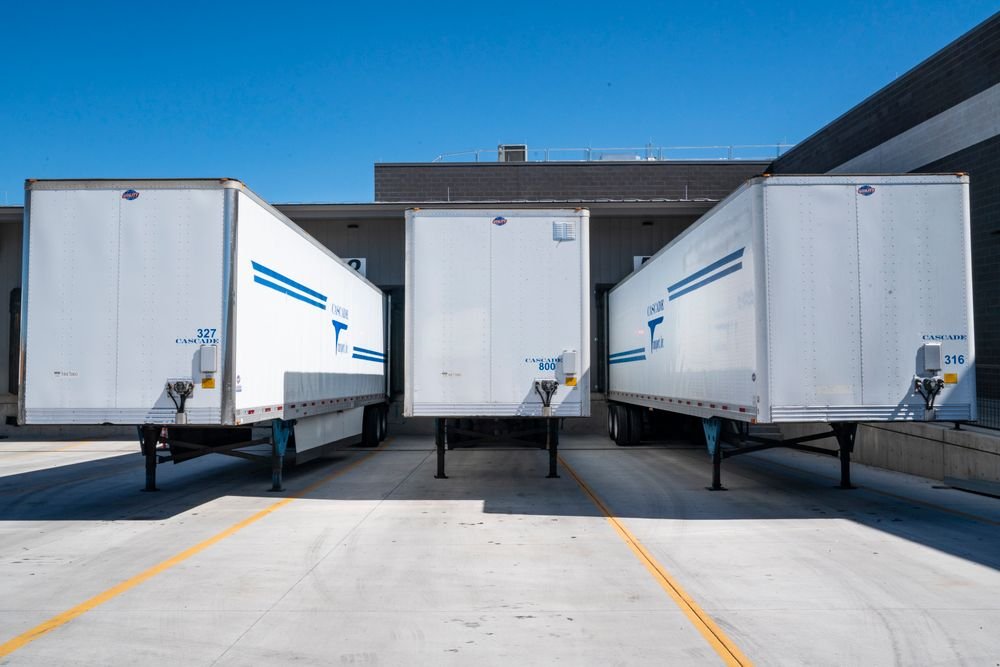
If you’ve heard claims about TForce Freight going out of business, stop and examine the facts. Building a strong foundation for your own business mindset starts with sorting real data from knee-jerk rumors. TForce Freight’s current reality is far more stable than its critics might claim. Sure, there are genuine challenges on the table, but operational shutdown isn’t one of them.
Here’s what you need: clarity. TForce Freight—formerly UPS Freight—is alive, delivering shipments and reworking its internal structure for long-term profitability. If you’re a shipper, employee, or business owner tracking partners, this reassurance is vital. Now, let’s break down why TForce remains on the road and how its strategies can motivate your own disciplined approach to obstacles.
2. TForce Freight’s Current Operations: Still in the LTL Game
Start with the basics: TForce Freight is an active U.S. less-than-truckload (LTL) carrier. If you depend on freight shipping within the continental U.S., they’re still booking, moving, and delivering cargo. Roughly 197 service centers make up their operating network, which spans coast to coast.
This network is neither shrinking quietly nor being dismantled. TForce operates as a key division of TFI International, a major North American transportation and logistics company. Its headquarters remain in Richmond, Virginia—the same physical footprint as it maintained under UPS ownership.
The bottom line is simple: TForce Freight is not winding down its day-to-day operations. Existing customer accounts and rate agreements, many inherited from UPS Freight, are active and honored. If someone tells you otherwise, they’re reacting to headlines, not business facts. Focus on real, up-to-date information when making your own service or hiring decisions.
3. From UPS Freight to TForce Freight: Why Some Think TForce Is Gone
Confusion breeds anxiety, especially when brands change hands. UPS sold UPS Freight to TFI International in April 2021 for $800 million, turning it into “TForce Freight.” So, if you’re looking for “UPS Freight,” you won’t find it—because the brand itself no longer exists.
TForce Freight, on the other hand, holds the same operational infrastructure, moves the same kind of freight, and, for most customers, works with the same contract details as before the sale. For business owners: treat this as a classic rebranding exercise following a sale, with all the old service channels still in play. Don’t let the name change shake your confidence.
This lesson applies to your own ventures. When major changes happen, customers will have questions. Create a communication plan and keep your audience updated. Clear messaging builds trust and protects your reputation.
4. Financial Performance: Tough Times, Real Numbers
Now the direct truth: TForce Freight’s recent financial performance has trailed TFI International’s expectations. Revenue dropped, and profit margins came under pressure. In one quarter, TForce Freight’s operating income dropped by more than one-third year-over-year, landing at $70.3 million. That’s significant—no one in leadership is pretending otherwise.
The pressure comes from a soft freight market, increased unit costs, and fewer shipments, especially after volumes jumped following Yellow Corp’s 2023 bankruptcy and later cooled down. If you’re running your own business, recognize the warning signs: when volumes fall and costs stay high, your profits shrink. Review your pricing, rethink your cost structure, and adjust quickly.
TFI International’s CEO, Alain Bédard, has made it clear—no sugar-coating allowed. TForce Freight is “way too fat” for its current revenue base and needs urgent cost discipline. This kind of honesty is accountability at work. When you face tough quarters, don’t gloss it over—diagnose, decide, and act.
5. Restructuring: Cost-Cutting, Not Closure
If you want long-term profitability, you must treat cost management as a practiced skill, not a periodic fire drill. TFI responded to TForce Freight’s underperformance with aggressive cost-cutting—eliminating white-collar jobs, trimming support functions, streamlining admin, and consolidating tasks.
Key point: these are textbook restructuring measures aimed at restoring profitability, not closing shop. No sources report TForce Freight entering bankruptcy, liquidation, or active shutdown. Instead, they’re committed to making the business leaner and more competitive.
Think of it as pruning a tree to encourage better long-term growth. For your business, set a quarterly review of every expense. Redefine roles carefully, cut what isn’t producing real value, and reinvest in processes that directly drive revenue.
Managing change in tough times shows your team—and your clients—that you’re steering the ship, not waiting for the storm to pass.
6. Strategy: Scaling Up for Profitable Growth
Don’t mistake cost-cutting for defeat. TFI’s plan for TForce Freight is not “pack it in,” but “build more scale.” That means leadership is searching for a “brother operation”—another LTL company in the U.S.—to gain heft in a market where big players dominate.
The CEO of TFI has spoken openly that U.S. LTL is a business where scale means survival. Their strategy is to expand TForce’s capabilities, not merge it away or divest. Adding a “brother” gives options: new freight lanes, shared costs, and better buying power. Importantly, any new business would remain separate, with TForce operating as its own asset inside the group.
If you lead a small business, apply this thinking to your plans. Look for strategic partnerships or acquisition opportunities that extend your reach but don’t dilute your focus. If you need to grow, be intentional—choose operations that fit your existing skills and customer promise.
Scale should always be about serving your core audience more profitably, not simply about getting bigger.
7. What This Means for Shippers and Employees
If you’re a shipper, stay calm. Contracts, pricing agreements, and the carrier network continue uninterrupted. No service “sunset” dates, no abrupt pauses. Your freight still moves, and TForce is actively pursuing more business.
This type of operational continuity is crucial for suppliers and logistics-dependent companies. If you’re a business owner choosing LTL carriers, bet on partners who openly communicate, acknowledge problems quickly, and prioritize reliable service. That kind of track record should weigh heavily in your procurement process.
For employees, reality is mixed—but not catastrophic. The UPS Freight workforce transitioned to TForce Freight after the acquisition. Some white-collar roles have been reduced as costs are trimmed, but the core driver and dock workforce continue to handle freight day in and day out.
If you work in a business under restructuring, job security is a real concern. Make yourself invaluable by focusing on customer experience, reliability, and problem-solving. Help your company execute during lean times, and you’ll strengthen both your resume and your results.
8. Future Moves: Spin-Offs and Strategic Adjustments
TFI International isn’t just focusing on TForce Freight. It’s making changes across its whole portfolio—integrating new acquisitions like Daseke and preparing to spin off its truckload business. These aren’t the actions of a company running scared; they signal an executive team trimming weak spots and redirecting capital to where the greatest returns are expected.
Your takeaway? Don’t spread yourself thin. Focus your resources on segments you can manage profitably and where your strategy fits the market’s needs. If a part of your business isn’t providing enough return, consider whether selling, spinning off, or restructuring makes sense.
Financial discipline—knowing when to grow, when to prune, and when to double down—sets up long-term, predictable growth. Following these principles will put your company in a stronger position no matter what kind of market you face.
9. Key Lessons for Entrepreneurs and Business Owners
This entire TForce Freight scenario is rich with lessons for small business owners. When rumors or online noise stirs up your clients or team, bring them back to reality with facts. Stable communication, open books, and timely problem-solving are your best assets.
Second, never get complacent with your cost structure—review and refine it quarterly. Use every financial indicator as a feedback loop for iteration, not just a scorecard. Profitable operations require constant adjustments, especially when demand takes an unexpected dip.
Third, look beyond your current crisis for strategic opportunities. Could you add a “brother” operation to expand your offerings? Are partnerships, acquisitions, or new hires in order? Keep your vision wide but your focus narrow until you have mastered what actually converts and keeps customers.
Finally, always keep learning from industry giants—whether they’re pivoting, spinning off divisions, or bringing in leaner processes. Accept inspiration, but build a plan that fits your specific audience and growth stage.
If you’re seeking more step-by-step small business guidance, visit Mini Business Tips for proven, actionable tactics and stories from real-world entrepreneurs. Set yourself up for success with routines and frameworks that provide clarity in uncertain markets.
10. Conclusion: TForce Freight Is Not Going Out of Business
Let’s set the rumor mill aside: TForce Freight is not shutting down. The company is actively restructuring, sharpening its operations, and making tough decisions to boost profitability. Their leadership is being held accountable to fix underperformance, not throw in the towel.
For shippers, your relationship with TForce should center on negotiation and clear expectations—not panic over business rumors. For employees, step up and help drive the turnaround. For business owners, copy what works: review your numbers weekly, trim what’s weak, and build with discipline for the long term.
No business is free from rough patches. What matters is how you manage your finances, communicate your value, and set strategy for the next phase. The bottom line: clarity, financial stewardship, and relentless focus on action are what will drive you forward—no matter what the headlines say.
Read Also: