
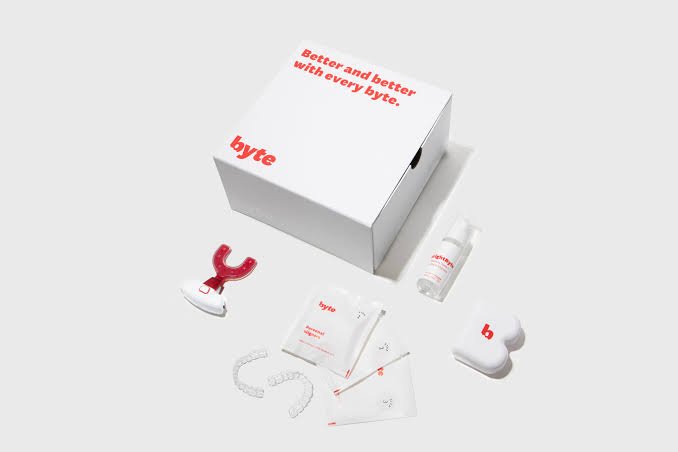
If you run your business with discipline, you look for warning signs and act fast on hard facts. That’s exactly what you should do when a partner or vendor you rely on suddenly goes quiet. Byte, once a serious challenger in the direct-to-consumer orthodontics game, now gives every signal it’s no longer a functioning business. If you’ve ever wondered how a fast-growing company can stall, or if you’re a Byte customer (or considering similar services), pay attention—the lessons here could save you money and headaches.
1. Byte’s Current Status: Operations Officially Concluded
Start with the facts. Visit Byte’s official website today and you’ll see this message in bold: “Byte has concluded its operations.” This is not a soft pause; it’s an unambiguous statement that new business is over. Earlier hopes of a comeback are gone. Byte, the once-popular home aligner firm, has moved from paused to closed.
Back in October 2024, Byte’s parent company Dentsply Sirona announced a suspension of all Byte aligner and impression kit sales. The reason? They needed to review regulatory requirements and revamp how patients were screened. Orders for new kits stopped immediately and shipments were paused. Unlike a minor supply chain delay, this was a sweeping halt.
Since then, the company stripped down its digital presence—no active social media, no marketing, no onboarding new customers, no shipments. Byte employees were laid off. On customer sites and Reddit, people openly referred to Byte as “shut down.” Requests for refunds—especially for “lifetime” aligner guarantees—flooded in. You can see the same pattern other failing startups follow: shut off marketing, lay off staff, stop supporting the product, then quietly turn out the lights.
In short, Byte’s consumer orthodontics business is no longer operating. If you had plans, or questions about future availability, accept this as final. You’ll need to make alternative arrangements starting now.
2. Is Byte Really Out of Business—Or Just Paused?
Entrepreneurs learn that a business doesn’t always die overnight—it often slips from temporary trouble to final closure. To spot that shift, examine Byte’s timeline.
First, there was the regulatory suspension. Dentsply Sirona voluntarily hit “pause” to fix patient screening and fulfill regulatory expectations. They admitted Byte’s patient vetting didn’t protect consumers with complex dental or health conditions from inappropriate aligner treatment. During this stage, some industry insiders still hedged their bets. Byte was suspended—supporting existing customers but stopping all new sales.
But now? The language changed. Byte’s homepage now declares operations “concluded”—not “paused,” not “reviewing.” The support structure has largely disappeared. Consumer forums and legal filings now refer to Byte in the past tense. Lawyers are moving from warnings to lawsuits, chasing compensation for consumers who claim injuries, poor screening, or false advertising. Dentsply has started writing off Byte’s business value and reorganizing remaining resources elsewhere.
This is the crossing point. Once companies admit “concluded operations,” and stop supporting both old and new customers, you must treat them as out of business for all practical purposes.
3. What Forced Byte to Shut Down?
Here is where entrepreneurs can learn the most. Several factors converged to push Byte off the map:
Regulatory and Safety Concerns. Dentsply Sirona openly discussed feedback from the U.S. FDA (Food and Drug Administration) and related medical device reports. Byte’s remote onboarding method let too many patients start aligner treatment without proper dental oversight. The consequences? Alleged injuries—bites out of alignment, bone loss, even broken teeth and locked jaws. Lawsuits piled up, putting Byte under intense legal and regulatory heat.
Business Model Pressure. Direct-to-consumer dentistry was already a controversial space. State dental boards challenged the idea that remote screening could replace in-person exams for dental appliances. Regulators raised concerns over safety, while traditional orthodontists called for tighter oversight. Dentsply itself admitted these regulatory challenges were “adversely affecting” Byte’s business. The collapse of SmileDirectClub—the category’s other major player—signaled broader problems for this business model.
Operational Wind-Down. When a company ceases marketing, erases its social channels, and lays off significant staff, you know a shutdown is imminent. Byte did exactly that. Customers soon found their “lifetime” aligner guarantees were worthless, with no one left in the company to answer claims or process returns. The bottom line: a failed model can’t sustain staff or serve its core market.
If you build a business on shaky regulatory ground, ignore patient safety, or count on loopholes to drive profits, this is the risk. Byte’s failure is a clear signal—don’t rely on long-term growth from a fundamentally unstable strategy.
4. Does Byte Still Support Existing Customers?
If you prepaid for Byte aligners, or expect “lifetime” support, don’t wait passively for an answer. Early in Byte’s suspension, the company promised to finish treatment for existing patients and keep limited support channels open. In reality, customers now find no visible support links on Byte’s site, and communication has dried up.
Online, desperate posts paint a grim picture—people chase refunds, submit help requests, and get nothing back. Class action lawsuits allege Byte failed to provide adequate support for those in the middle of treatment.
Here’s the actionable step: move your care to a local dentist or orthodontist. Bring your Byte records, aligners, and treatment plan with you. Request a professional evaluation and confirm that your teeth, jaw, and gums are healthy. There’s no reason to risk your dental health waiting on a defunct company. Expect no meaningful ongoing support from Byte. Set yourself up for success by making the transition now, rather than scrambling later.
5. Other “Byte” and “Bytes” Companies: Don’t Get Confused
Byte is not the only company with that name. If you read headlines about Byte closing, double-check the context.
– Byte clear aligners—the Dentsply Sirona-owned business—has stopped operations.
– BYTE magazine was a technology publication that ceased in the late 1990s. It has zero connection to mouth aligners.
– Bytes Technology, the UK IT reseller (trading as BYIT.L), is still in business, though it recently faced its own financial headwinds. No relationship to Byte aligners.
Focus on the specific company relevant to your need. If you’re an entrepreneur, always check corporate structure and product details before assuming a headline applies to your business or investments.
6. The Bottom Line: Practical Takeaways for Byte Customers and Business Owners
Byte, the home aligner brand, has effectively gone out of business. You won’t see any new products, meaningful support, or relaunch offers from them. Business owners and entrepreneurs should treat this as a strategic lesson in market disruption, risk management, and the importance of building on a solid regulatory footing.
If you’re a Byte customer, don’t wait for a miracle. Choose a local dentist with orthodontic expertise. Bring your treatment records and ask whether your case is progressing safely. If you prepaid for “lifetime” aligners or post-treatment retainers, gather your purchase documents and consider small claims or joining a class-action suit if you’re unable to get what you paid for.
Aspiring entrepreneurs, take a sober look at Byte’s trajectory. Byte tried to accelerate growth through aggressive marketing, but neglected the foundation—safety, regulation, and clear value to a specific audience. Without that, even rapid customer acquisition won’t produce long-term, predictable growth.
If you want to avoid similar pitfalls, focus on a specific customer and a real problem they’ll pay to solve. Manage your finances tightly and don’t overpromise. Standardize your reporting and review patterns—just as you’d do with any partner or supplier. For more on practical, profitable growth, and managing turbulent business changes, check out resources like Mini Business Tips that translate complexity into actionable strategy.
7. Final Guidance: Plan Proactively and Build on Firm Ground
The collapse of Byte is a story of how fast things can change when fundamentals are off. As a business owner, don’t copy a playbook that prioritizes shortcuts over strategy. Build on what’s legal, safe, and sustainable. Regularly review the operational foundation of every partner and vendor you depend on.
The bottom line for Byte customers and business professionals is clear. Don’t wait for a brand to save you when the signs of shutdown are obvious. Move to reputable providers, protect your financial interests, and seek professional advice when a service you use goes dark.
Choose partners with proven accountability, and be proactive in addressing business challenges head-on. That’s how you manage risk, maintain credibility, and set yourself up for long-term, profitable growth.
Read Also: