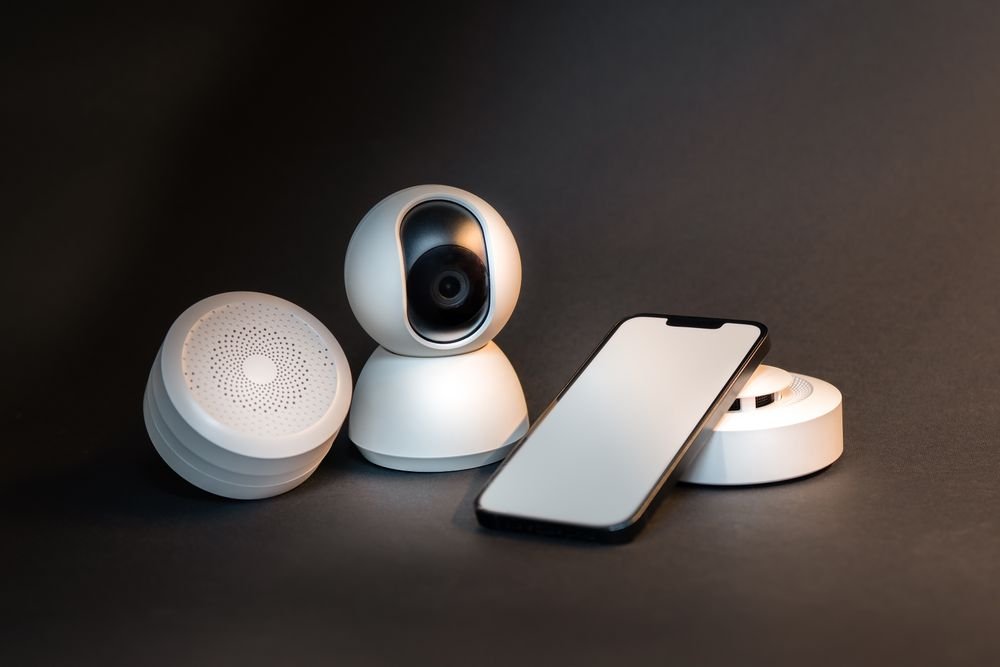
In 2023, thousands of Arlo customers received end-of-life notices for their cameras and immediately assumed the company was shutting down. Forum posts spread. Reddit threads declared “Arlo is no more.” Community boards filled up with frustrated long-term users.
But here is the straightforward answer: Arlo is not going out of business.
What actually happened is more routine than the panic suggested. This article breaks down what Arlo’s current business status looks like, what “end of life” actually means, which devices are affected, what you lose when support ends, and what you should do if your camera is on the list.
Arlo Is Still in Business — Here Is What the Confusion Is About
Arlo Technologies is a publicly traded American company listed on the New York Stock Exchange. It was spun off from Netgear through an IPO and has operated as an independent company since then. That is not the profile of a business on the verge of closure.
Go to their official website and you will find active product listings — current camera lines, video doorbells, floodlight cameras, and Arlo Secure subscription plans. The marketing is running. New hardware is being sold. The lights are on.
So where did the “going out of business” story come from? Mostly from misread end-of-life notices, community forum posts, and Reddit threads written by users who were frustrated and leaving the brand. One Reddit thread titled “Arlo is no more” is a good example — it reflects one person’s decision to switch to a competitor, not a corporate announcement of any kind.
There is an important difference between users leaving a brand and a company shutting down. When a loyal customer walks away after five years, that is a customer retention problem. It is not the same thing as bankruptcy or closure.
What “End of Life” Actually Means for a Product
End of life, or EOL, is a standard practice across the entire technology industry. When a manufacturer decides to stop issuing firmware updates, cloud support, and security patches for an older product, they call it end of life.
It does not mean the device physically stops working on that date. It means the company stops putting resources into that model going forward.
Think about a smartphone from 2014. At some point, it stopped receiving operating system updates. The manufacturer did not close down — they moved their engineering and infrastructure budgets toward newer products. The old phone still made calls. It just no longer got security patches or new features.
Arlo’s situation follows the same logic. The cameras do not brick themselves the moment EOL hits. What changes is what the company actively supports behind the scenes — cloud storage, firmware updates, app integration, and customer notifications.
This pattern is especially common in smart home and IoT companies that have shifted toward subscription-based business models. Older hardware becomes a cost center with shrinking returns, and the business eventually moves on.
Which Arlo Cameras Are Affected and What Support They Lose
Arlo introduced its formal EOL policy starting January 1, 2023. The policy rolled out in two main waves.
Wave One: April 1, 2023
The Gen 3 cameras (model VMC3030, released in 2014) and the original Pro cameras (model VMC4030, released in 2016) hit end of life on April 1, 2023. These were Arlo’s earliest consumer models, nearly a decade old by the time they were retired.
Wave Two: January 1, 2024
A larger group of devices lost support at the start of 2024. This includes the Pro 2, Q, Q+, Baby, Lights, and original Doorbell — all of which stopped being manufactured somewhere between 2018 and 2019.
Here is what EOL actually removes for affected devices:
- Free 7-day cloud storage for recorded clips
- Firmware updates and security patches
- Email notifications
- Full integration with the Arlo Secure app
What may still work is basic live video streaming, depending on your specific device and network setup. But reliability will not improve over time without updates, and security gaps could widen.
How to Check If Your Camera Is Affected
Arlo makes this fairly simple. Open the Arlo Secure app, go to Settings, then Support Center, select your camera, and scroll down to “details.” Your model number will be listed there. Compare it against Arlo’s EOL list to see where your device stands and when its support window closed or will close.
Why Arlo Made This Decision
Understanding the business rationale makes the decision feel less arbitrary — even if it is still frustrating for affected customers.
First, the hardware itself. Cameras built in 2014 and 2016 have real technical limits. They were not designed with today’s encryption standards, app capabilities, or security requirements in mind. Retrofitting modern features onto that architecture is difficult and expensive.
Second, the infrastructure cost. Maintaining cloud storage pipelines, running firmware builds, and providing technical support for a shrinking base of aging devices costs money. When the return on that investment drops low enough, it stops making financial sense.
Third, and most directly, Arlo’s business model has shifted. The company is now built around recurring subscription revenue through Arlo Secure plans and newer hardware with better margins. Retiring old models pushes customers toward current products. That is financially logical, even if it feels like a bait-and-switch to customers who bought into the ecosystem years ago.
It is worth noting that Arlo is not doing anything unusual here. Similar EOL strategies have played out across the smart home industry as companies mature and move from selling hardware to selling services. The frustration is real, but the practice is not unique.
What does stand out is the customer impact. Community forums show users who feel genuinely abandoned — people who built their home security around Arlo cameras and now face a forced decision about what to do next. One community post from a long-term user describes leaving after “five disappointing years,” citing battery life issues, wireless range problems, and general dissatisfaction with how support was handled. The EOL notices were the final straw for many people in that position.
For business owners and managers tracking how companies handle product lifecycle decisions, Arlo’s approach is a useful case study in how EOL communication — or the lack of it — can accelerate customer churn even when the underlying business decision is sound.
If you are researching business decisions like this one, StartBizWire covers practical business topics for entrepreneurs and professionals looking for clear, direct information without the fluff.
What Existing Arlo Customers Should Do Now
If your camera is on the EOL list, you have three realistic options.
Option 1: Upgrade within Arlo. Move to a current Arlo model — the newer Pro, Essential, or Ultra lines — and pair it with an Arlo Secure plan. You stay in the same ecosystem, keep your app setup, and get active firmware support. The trade-off is the ongoing subscription cost.
Option 2: Switch to a competitor. Several home security camera brands offer similar features without mandatory subscriptions, or with more flexible pricing. If the Arlo subscription model was already a frustration point, an EOL notice might be a good reason to evaluate what else is on the market.
Option 3: Accept limited functionality. If your camera still streams live video and you do not rely heavily on cloud recording, you might keep using it in a reduced capacity. Just understand that without firmware updates, the device’s security posture will gradually weaken over time.
There is no universally right answer. It depends on how much you were using the cloud features, what your security needs are, and how much you want to spend going forward.
The Bottom Line
Arlo is not going out of business. It is a publicly traded company actively selling new hardware and subscription services. The “going out of business” story grew from a combination of misread EOL notices and frustrated users venting on community forums.
What is real is the EOL policy — and the impact it has on people who relied on older cameras. If your model is on the affected list, free cloud storage is gone, firmware updates have stopped, and full app support has been removed. That is a genuine inconvenience that requires a decision on your end.
But it is a product lifecycle decision, not a company shutdown. Understanding the difference helps you respond practically rather than react to what turns out to be a rumor.
Read Also: