If you’ve been searching this question, you’re not alone. Homeowners, furniture buyers, and RV owners have all been asking it — usually after reading something about plant closures or layoffs connected to Flexsteel. The short answer is no, Flexsteel is not going out of business. But there’s enough going on with the company that the full picture is worth understanding, especially if you’re about to buy something or you already own a Flexsteel product.
This article covers what’s actually happening: whether Flexsteel is still operating, what the Dublin, Georgia plant closure really means, how restructuring affects warranties and parts, and whether the brand is still worth buying from today.
Flexsteel Is Still in Business
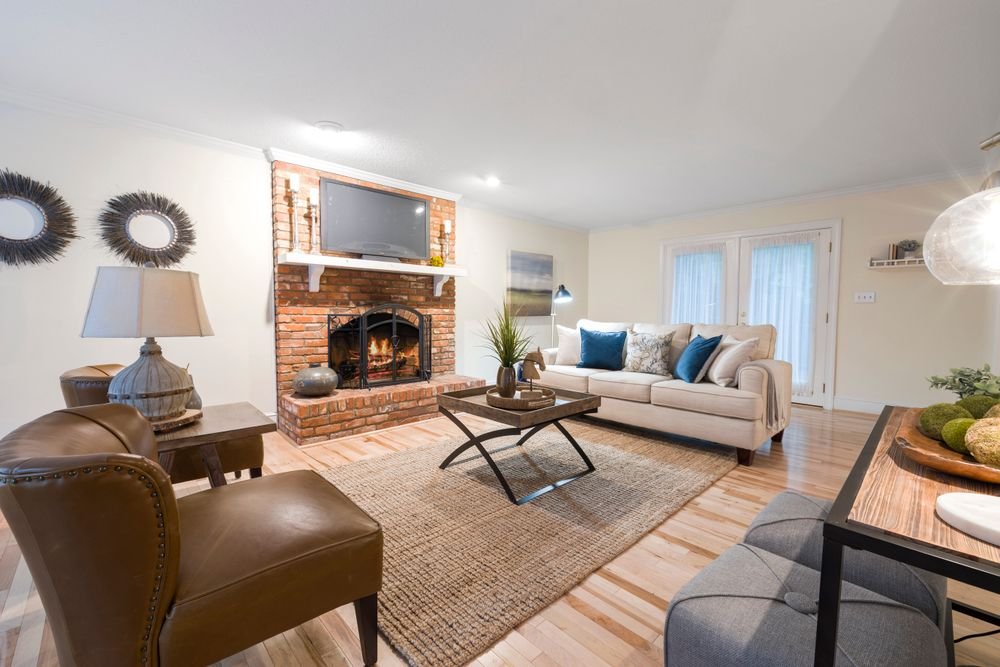
Let’s get the main question out of the way first. Flexsteel Industries, Inc. is still operating. The company was founded in 1893 and is headquartered in Dubuque, Iowa. It describes itself as a global leader in the design and production of residential furniture — and it currently sells products across multiple categories including sofas, sectionals, recliners, bedroom furniture, and dining pieces.
Flexsteel operates three brands: Flexsteel (its core residential line), Homestyles (ready-to-assemble and online-friendly home furnishings), and Charisma. All three are active. You can browse and purchase products directly through the company’s official website right now.
The confusion around “going out of business” comes from plant closures — not a bankruptcy filing, not a liquidation sale, and not an exit from retail. On a design marketplace Q&A, someone asked “Why did Flexsteel go out of business?” and the factual answer given was simple: “Flexsteel actually did not go out of business.” That holds true based on all current evidence.
What the Dublin, Georgia Plant Closure Actually Means
The Dublin, Georgia closure is the specific event driving most of the concern. Here’s what happened: Flexsteel filed a WARN (Worker Adjustment and Retraining Notification) notice indicating that 154 employees would be laid off as of February 9. The Dublin plant was scheduled to close by the end of the company’s fiscal fourth quarter, and the facility was set to be put up for sale after that.
Flexsteel framed the decision publicly as an effort “to optimize its North American manufacturing network.” That’s corporate language, but what it signals is consolidation — moving production to fewer, higher-output locations — not collapse.
Local news coverage, including a report shared by The Courier Herald, focused on the community impact of the closure, which is understandable. For the 154 workers directly affected and the broader Dublin area, this is a serious economic event. But local plant closures get picked up on social media, and the headlines don’t always make clear that the parent company is continuing to operate. That gap between local reporting and corporate reality is where a lot of the “going out of business” searches come from.
Closing one facility is not the same as shutting down a company. These are two very different things, and it matters whether you’re an affected worker, a buyer, or someone holding a warranty.
Why Manufacturers Close Plants Without Shutting Down
Plant closures are a normal — if painful — part of how manufacturing businesses adapt. After 2020, many furniture and home goods manufacturers faced rising input costs, supply chain disruptions, and shifting demand. Some responded by consolidating their production footprint.
Concentrating production in fewer, more efficient locations can actually reduce costs and improve output consistency. It doesn’t automatically mean fewer products, worse quality, or financial distress. In some cases, it’s the opposite — a sign that a company is trying to run leaner and survive long-term.
The signals that a company is actually failing look different. You’d expect to see bankruptcy filings, liquidation events, retailers pulling the brand, or the company’s website going dark. None of those apply to Flexsteel based on what’s publicly available. The company is still manufacturing, still marketing new collections, and still selling through retail channels.
That doesn’t mean Flexsteel is in perfect financial health — it would be irresponsible to overstate that based on limited data. But there’s a clear difference between a company restructuring its operations and a company shutting down. Right now, Flexsteel is doing the former.
What Happens to Warranties and Parts After a Plant Closes
This is the most practical concern for people who already own Flexsteel furniture or are thinking about buying it. The good news is that because Flexsteel has not gone bankrupt, it remains obligated to honor existing warranty commitments. A plant closure doesn’t void a warranty when the parent company is still solvent and operating.
This came up specifically in RV owner forums, where Flexsteel seating is commonly installed. When word spread that a Flexsteel business unit had closed, RV owners got nervous about replacement parts and warranty coverage. Forum participants pointed out that since the company did not go bankrupt, it still had to honor contracts and warranty obligations.
That said, parts availability is a separate issue from warranty coverage. If a specific product line was produced at a facility that’s now closed, getting replacement parts for that line could become harder over time. That’s a legitimate concern, especially for specialty products like RV seating or older furniture models.
Here’s what to do before buying:
- Ask the retailer for the warranty terms in writing before you purchase.
- Ask specifically whether parts for that product line are expected to remain available and for how long.
- If you’re buying a specialty product (like RV seating or a legacy model), do extra due diligence on parts sourcing.
These are reasonable questions to ask any furniture manufacturer, not just Flexsteel. But they’re especially worth asking right now given the current restructuring activity.
Has Flexsteel’s Quality Changed?
This is a fair question, and honestly it’s harder to answer with certainty. Consumer discussions on forums like Reddit show that some long-time Flexsteel buyers feel the brand’s quality has shifted over the years, particularly as some manufacturing moved locations. Flexsteel built its reputation on steel-frame construction and durable upholstery — the kind of furniture people described as “buy it for life.”
Some buyers report that newer products feel different from older ones. Others are still satisfied. The difficulty is that these are mostly anecdotal reports, not verified data, and individual experiences with furniture quality vary a lot depending on the specific product, retailer, and use.
What’s worth knowing: the brand still markets its products around craftsmanship, comfort, and durability. Whether current products fully live up to that legacy is something you’ll want to evaluate through recent reviews from verified buyers — not just the brand’s own marketing.
Should You Buy Flexsteel Furniture Right Now?
Based on current evidence, Flexsteel is still a functioning company selling real products with active warranties. The question isn’t really “Are they going out of business?” — it’s “Does their current product quality and business stability meet my expectations?”
A few practical considerations if you’re in the market:
- Check current reviews. Look for recent buyer feedback (last 12–18 months) on the specific model you’re considering. Don’t rely on older reviews from a different product generation.
- Confirm warranty terms before purchase. Get them in writing from the retailer, not just a verbal assurance.
- Ask about the product’s manufacturing origin. If American-made furniture matters to you, ask directly rather than assuming.
- Factor in parts availability for long-term ownership. If you’re buying something you plan to keep for 10+ years, ask how long parts will be stocked.
If you’re following business news in the furniture or manufacturing space, resources like StartBizWire cover industry shifts, company developments, and business decisions that affect buyers and entrepreneurs alike.
The Bottom Line
Flexsteel Furniture is not going out of business. The company is restructuring — closing specific facilities, including its Dublin, Georgia plant — but it continues to operate, sell, and stand behind its products. The Dublin closure is significant for the workers and community involved, and it’s right to take it seriously. But it’s a facility closure, not a company shutdown.
If you own Flexsteel furniture, your warranty obligations remain intact as long as the company stays solvent. If you’re considering a purchase, do your homework on the specific product line, confirm warranty details in writing, and check recent buyer reviews. The brand has over 130 years of history behind it, and as of now, it’s still in the game.
Read Also: